Her Health, Her Right: Shaping a Future without Fistula.
This year's theme, “Her health, her right: Shaping a future without fistula,” underscores a powerful truth: that every woman and girl has the fundamental right to health—particularly sexual and reproductive health—and that the continued existence of obstetric fistula is a clear violation of that right.

All women and girls have the right to high-quality, comprehensive sexual and reproductive health services – no matter who they are or where they live.
No woman or girl should have to endure obstetric fistula. The devastating condition, which is caused by complications during childbirth, results in pain, isolation and indignity – and yet is entirely preventable and treatable.
Ending fistula would improve maternal health and well-being overall and is essential to achieving universal health coverage.
To build a future free of fistula, we must empower women and girls to make informed decisions about their sexual and reproductive health. High-quality, comprehensive care should be a right enjoyed by all—regardless of geography, income, or status.
Effective and inclusive solutions must be grounded in the lived experiences of women, particularly those who have survived fistula. Their voices are essential in shaping policies and services that are rights-based and culturally sensitive. When community health workers, survivors, and informed leaders come together, they can challenge stigma, break down discriminatory norms, and spark real, lasting change.
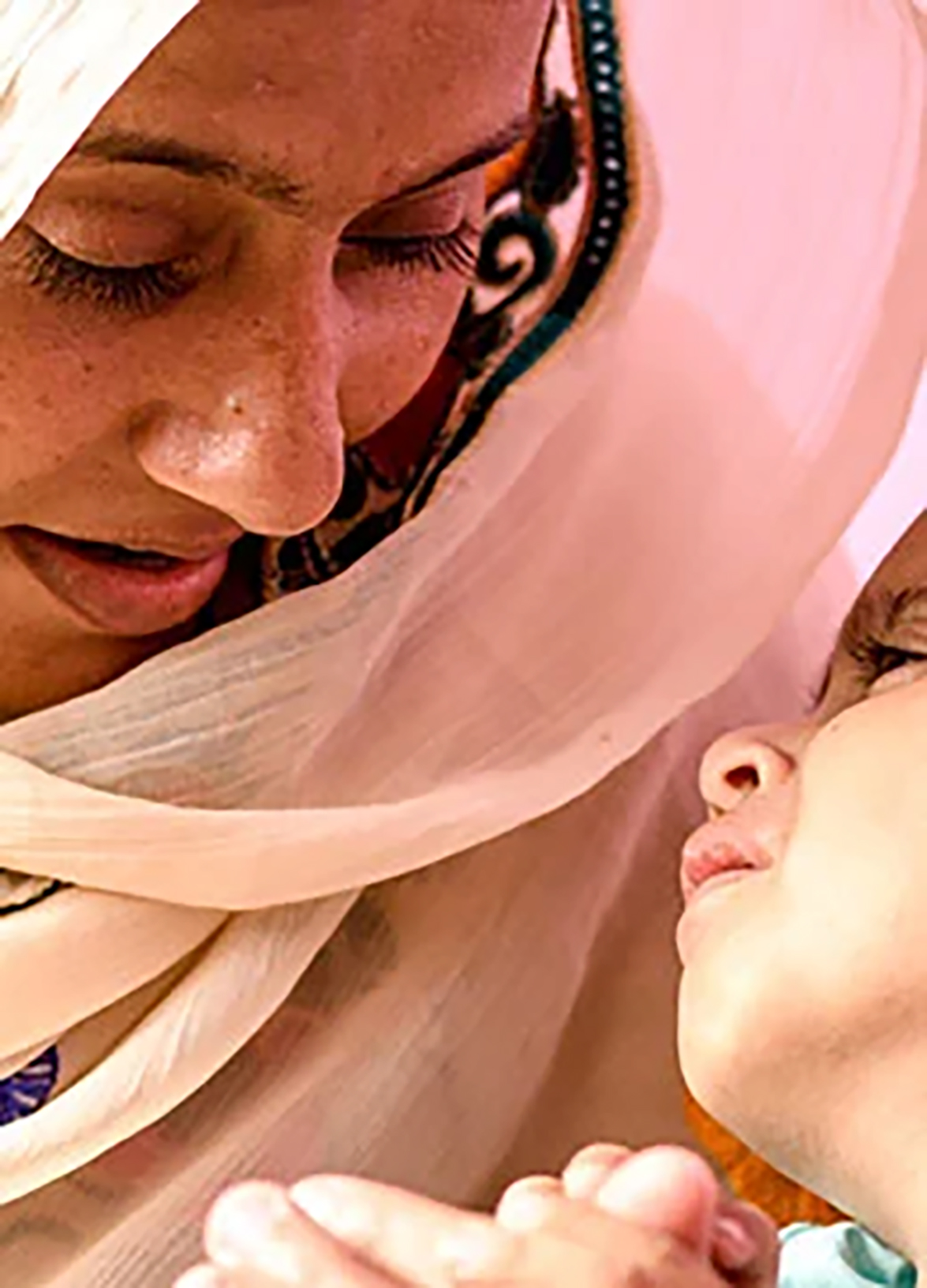
UNFPA leads the global Campaign to End Fistula, a drive to transform the lives of vulnerable women and girls.
The 21-year-old campaign represents a global commitment to fistula prevention and holistic treatment, including surgical repair and social reintegration and rehabilitation. Despite progress, elimination by 2030 demands accelerated action, starting now. Get Involved!
No woman or girl should have to endure obstetric fistula. The devastating condition, which is caused by complications during childbirth, results in pain, isolation and indignity – and yet is entirely preventable and treatable.
Ending fistula would improve maternal health and well-being overall and is essential to achieving universal health coverage.
To build a future free of fistula, we must empower women and girls to make informed decisions about their sexual and reproductive health. High-quality, comprehensive care should be a right enjoyed by all—regardless of geography, income, or status.
Effective and inclusive solutions must be grounded in the lived experiences of women, particularly those who have survived fistula. Their voices are essential in shaping policies and services that are rights-based and culturally sensitive. When community health workers, survivors, and informed leaders come together, they can challenge stigma, break down discriminatory norms, and spark real, lasting change.
UNFPA leads the global Campaign to End Fistula, a drive to transform the lives of vulnerable women and girls.
The 21-year-old campaign represents a global commitment to fistula prevention and holistic treatment, including surgical repair and social reintegration and rehabilitation. Despite progress, elimination by 2030 demands accelerated action, starting now. Get Involved!

Comments
Post a Comment